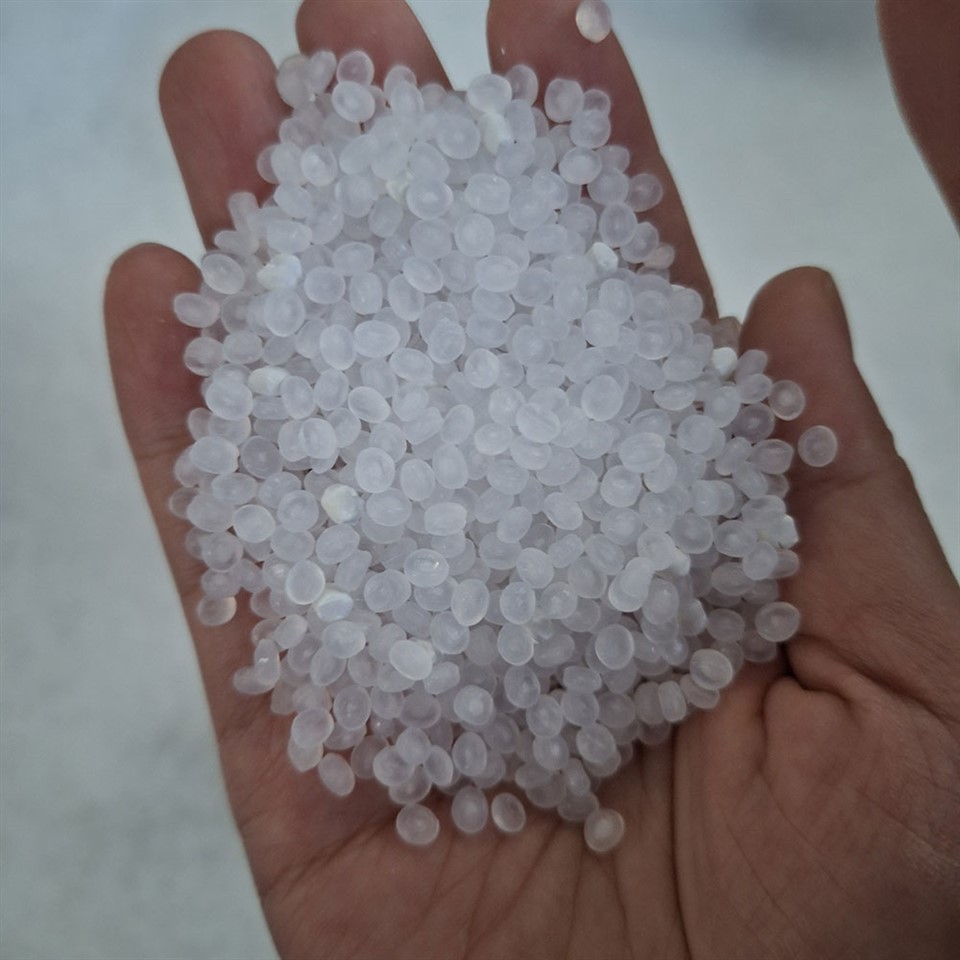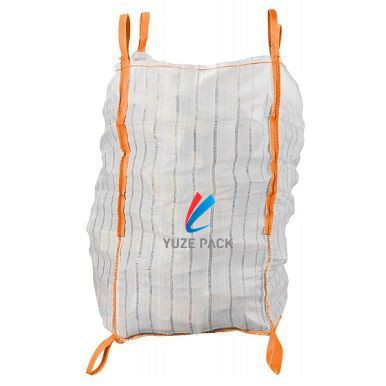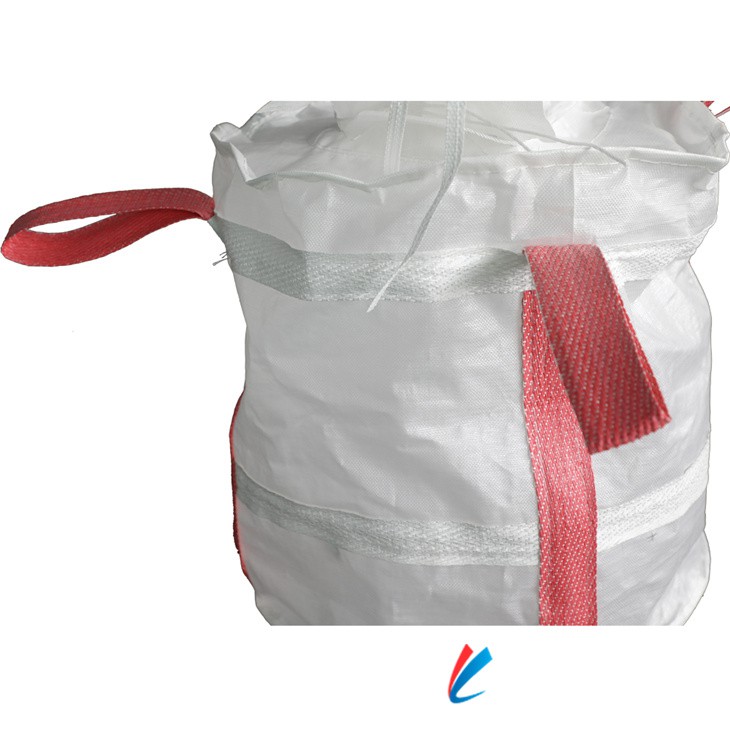
In the case of fierce competition in the packaging industry, the original high pollution, high energy consumption of plastic packaging products have been difficult to meet the current market demand, new and composite, environmentally friendly flexible packaging belt more and more need to be developed, into the market, into the hands of consumers.
Recent research has found that six plastic packaging materials can significantly reduce energy consumption and greenhouse gas emissions compared with most packaging materials on the market. They are: Resins, low-density polyethylene, high-density pe, polypropylene, pvc, foamed styrene and pet, compiled by franklinassociates for the American Chemistry Council and the Canadian Plastics Industry Association, and using 2010 as the baseline year, research data showed that replacing plastic packaging with other materials increased the weight of packaging by 4.5 times. And energy consumption increased by 80%, global warming potential increased by 130%.
keithchristman, general manager of plastics markets at the American Chemistry Council, says the benefits of these six materials are reflected in a variety of different applications and materials. Because plastic uses far fewer materials, it significantly reduces greenhouse gas emissions. In total, plastic materials of all types are equivalent to taking more than 15 million cars off the road. The above six materials were studied in a detailed life cycle assessment of their impact when used in LIDS and closures, beverage containers, other rigid containers, shopping bags, shrink films and other flexible packaging. christman said separate studies have also been done in the past on specific products, including plastic packaging bags vs. Canned tuna, epsvs. Paper cups, etc. But the new study, titled "The Impact of Plastic Packaging on life-cycle energy Consumption and Greenhouse gas emissions in the United States and Canada," is broader.
The results consist of more than 50 tables and 16 charts and illustrations, and examine the main life cycle stages of packaging: raw material production, packaging manufacturing, distribution transportation, post-consumer disposal and recycling. The study also mentions the possible consequences of proposed and recently implemented bans on plastic packaging products. From a statistical point of view, although the ban on plastic bottles may eliminate plastic bottles in waterways, it will greatly increase the energy consumption of production, transportation and even glass bottle recycling.
Under the new situation and new trend, TOPTACK adheres to the original products while actively developing flexible packaging belts of new materials and composite materials, striving to be the leader in industry technology and technology.
 CONTACT