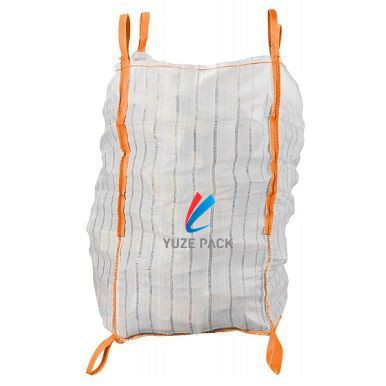
Company Profile
Since being founded in 2015, Yuze Pack is devoted to be the Chinese Leading bulk bag manufacturer with premium quality and prompt delivery to fulfill worldwide bulk bag needs from our distributors and final users.
Production environment protection control allows us to have an eco-friendly production which is highly praised by local government. And we also have an experience team of international business to ensure our cooperation more smoothly.
Advanced Equipment
Yuze Pack has 4 PP Monofilament Extrusion Lines, 50 circular looms, 30 webbing machines,480 sewing machines as well as packaging and test equipments. Our annual capacity is 12,000 tons of semi-finished products and 3 million bulk bags.
Professional Team
In order to provide a better service to customers from different countries, Yuze Pack acquires a membership of Flexible Intermediate Bulk Container Association in United States. And all FIBC from Yuze Pack are covered worldwide by American International Group Insurance Company China Limited.
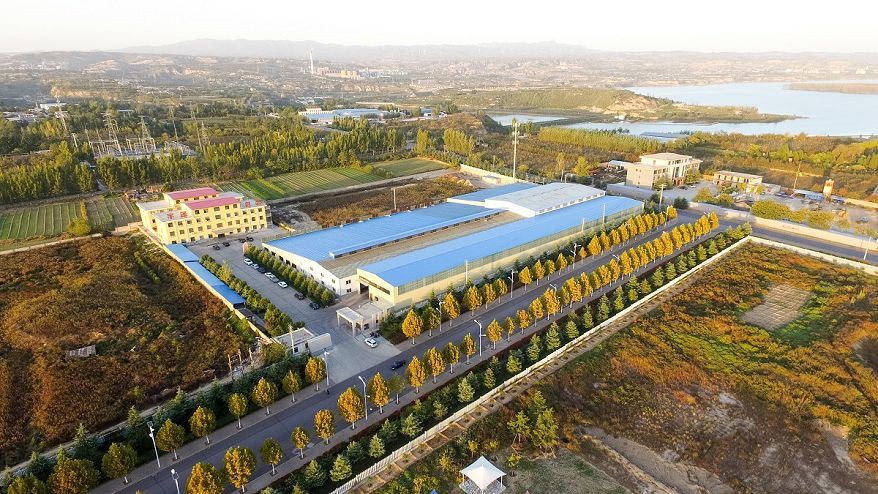
Factory
Yuze Pack Limited, established in 2015 with registered capital 19 million RMB, is a Flexible Intermediate Bulk container (or bulk bag/ big bag) manufacturer. Located at Yuncheng City in Shanxi Province next to Sanmenxia City in Henan Province across Yellow River, Yuze Pack has a convenient transportation to Tianjin Port and Qingdao Port.
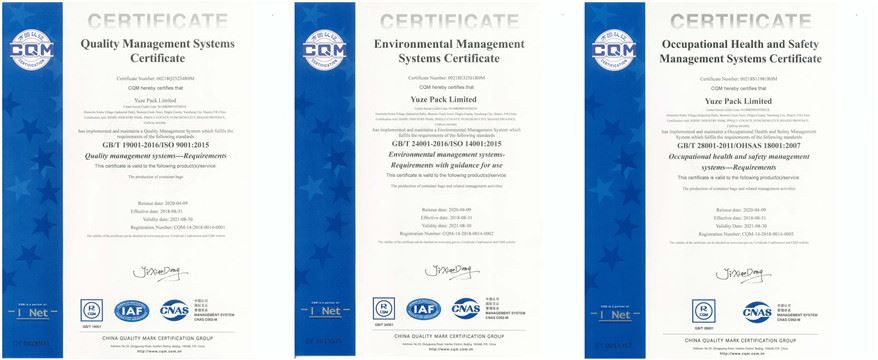
Certificate
Aiming to be a leading FIBC manufacturer in China, Yuze Pack sets up a comprehensive control system of quality and environment along with employee health protection. It has earned us the ISO 9001:2015, ISO 14001:2015 & OHSAS 18001:2007.
What is Agriculture Bag?
A good agricultural bag goes beyond transporting your harvest; it also takes into account your operation’s aims and needs. In this decision-making process, purpose is most important because it affects farm safety, efficiency, and quality. When considering the bag’s purpose, size, material, and durability can be prioritised. Buying agricultural bags for your farm strategically can maximise storage capacity, prevent food waste, and prolong harvest life. Our basic guide will help you choose the best agriculture bags for your farm.
Usage of these bags has increased in sectors such as food, agriproduce, chemicals among others as a result of the rapid utilization of these bags in varied applications. They include transportation and storage of food grains, feed, seeds, fertilizers and agriproduce to name a few.
Protection
Agricultural bags safeguard crops, seeds, fertilizers, and other products from various threats. They act as a barrier against moisture, pests, UV radiation, and contamination, minimizing product spoilage and ensuring quality.
Durability
Made from strong, long-lasting materials like woven polypropylene, polyethylene, laminated paper, or various plastic combinations, agricultural bags can withstand harsh weather conditions and rough handling during transportation and storage. This ensures the integrity of the product and minimizes waste.
Convenience
Agricultural bags are lightweight and easy to handle, simplifying storage, transportation, and use of agricultural products. Unlike heavier and bulkier containers, they can be easily loaded, unloaded, and stacked, streamlining farm operations.
Cost-effective
Agricultural bags offer a cost-efficient solution for storing and transporting agricultural products compared to traditional methods like wooden crates or metal drums. They are generally less expensive to purchase and handle, reducing overall storage and transportation costs.
Mesh produce bags
Mesh produce bags are a type of produce packaging that is made of a thin, net-like fabric. They are most often used for storing fruits and vegetables, and work well for items that need airflow, such as berries, leafy greens, and mushrooms. Mesh produce bags are also see-through, which makes it easy to identify the produce inside.
Paper produce bags
Paper produce bags are a typically used for potatoes. They are often made from recycled paper and are biodegradable, making them a more environmentally friendly option than other types of produce packaging. Paper produce bags come in a variety of sizes and styles, making them a versatile choice for storing a variety of produce products. They are also affordable and easy to find, making them a popular choice for produce retailers and consumers alike.
Poly produce bags
Poly produce bags are the most common type of produce bag. These bags are made of lightweight plastic film and are used to store vegetables, fruits, and other produce. Poly produce bags are often see as a more economical option that paper produce bags. They can also be reused multiple times.
Netting Bags
Netting bags are made out of a plastic netting material that is often sealed with a pre-installed paper seal. Netting bags form fit around produce and agricultural products, allowing them superior air flow and breathability. Most netting bags are rated at 10lbs and some common products you'll see these used for are fruits, onions, and shellfish (among others).
Storing And Transporting Industrial Materials
Agricultural bags are designed to withstand the harsh conditions of farms, making them ideal for storing and transporting industrial materials. Construction, mining, and manufacturing industries frequently utilize these bags to carry materials like sand, cement, gravel, and various chemicals. We offer tear-resistant heavy-duty agricultural bags, ensuring the safe handling of industrial loads.
Flood Control And Erosion Mitigation
Agricultural bags play a crucial role in flood control and erosion mitigation in heavy rainfall and flooding. The sturdy construction of these bags allows them to be filled with sand or soil and used as barriers to prevent water from inundating specific areas. Their ability to withstand water exposure and cost-effectiveness make them a preferred choice for disaster management agencies. Our high-quality agricultural bags have been proven effective in numerous flood control projects.
Waste Management
Agricultural bags find practical applications in waste management processes. Their strength and capacity make them suitable for collecting and transporting various types of waste, including recyclables, yard waste, and construction debris. As environmentally conscious practices gain importance, Our durable bags offer an eco-friendly solution for waste management needs.
Gardening And Horticulture
For gardening enthusiasts, agricultural bags can be repurposed into convenient gardening containers. These bags can be filled with soil to grow vegetables, flowers, and small shrubs. Their portability allows for easy rearrangement of the garden layout, and their breathability permits proper aeration for healthy plant growth. Using the wide range of agricultural bags offered, green thumbs can create a thriving garden space.
The manufacturing process of agriculture sacks involves several stages, each contributing to the final product's quality and durability.
Material Selection: These bags are typically made from high-density polyethylene (HDPE) or polypropylene (PP). This material has exceptional strength, tear resistance, and water repellence. These qualities are making them ideal for agricultural applications.
Extrusion: The chosen polymer is melted and extruded into thin, continuous threads. These threads are then woven into a fabric using specialized machines, creating a flexible yet robust base material for the bags.
Lamination and Printing: To enhance the bag's performance and appearance, it is often laminated with additional layers for UV protection and moisture resistance. Printing of essential information such as branding, handling instructions, and product details is also done at this stage.
Cutting and Stitching: The woven fabric is cut into desired bag sizes, and the edges are reinforced to prevent fraying. Advanced stitching techniques, like double-stitching, ensure the bags can withstand heavy loads.
How to Choose the Right Agriculture Bag for Your Agricultural Product?
Selecting the appropriate Agriculture Bag for your agricultural product is crucial to ensure optimal packaging and product preservation. Consider the following factors when choosing a Agriculture Bag:
Agriculture Bag Specifications
Determine the Agriculture Bag size, capacity, and style required to accommodate your agricultural product. BOPP Agriculture Bags come in various forms, such as circular or back seams, with options for gusseting, resealable closures, and handles. Assess your product’s needs and choose a Agriculture Bag with the necessary features.
Printing and Design
If branding and visual appeal are essential for your agricultural product, select a Agriculture Bag with high-quality printing capabilities. Look for Agriculture Bags that allow for vibrant colors, precise printing, and the ability to match specific PMS shades.
Quality and Compliance
Ensure that the Agriculture Bags meet the necessary quality standards and certifications for food-grade packaging. Check for features such as micro-perforations, GMG approval, and Delta E quality checks to ensure the Agriculture Bags’ suitability for your agricultural product.
UV Protection
If your agricultural product is susceptible to UV degradation, such as certain seeds or fertilizers, look for Agriculture Bags that offer UV protection. These Agriculture Bags are designed to block harmful UV rays, preventing damage and extending the shelf life of UV-sensitive products.
Agriculture Bag Size and Weight Capacity
Assess the volume and weight of your agricultural product to determine the appropriate Agriculture Bag size and weight capacity. Ensure that the chosen Agriculture Bag can accommodate the desired quantity of your product comfortably without compromising its integrity during handling and transportation.
Customization Options
If your agricultural product requires specific labeling, branding, or information display, look for Agriculture Bags with customization options. These Agriculture Bags can be designed to incorporate features such as printed logos, barcodes, or product information, enhancing your product’s visibility and marketability. Further, the BOPP Agriculture Bags can crafted with EZ open seams & single handle features, Agriculture Bags with handles on top, and a notch-cut open mouth for better convenience in lifting the agricultural product.
Considering these additional pointers and the previously mentioned factors, you can make an informed decision and select the most suitable Agriculture Bag for your agricultural product packaging, ensuring optimal product preservation and safety.
Proper storage of farm bags is crucial to maintaining their quality and longevity.
During the rainy season, priority should be given to warehouse storage. The warehouse should be ventilated, cooled, and protected from rain and moisture. If you choose a cargo shed for storage, the storage location should be on a higher ground, with flat ground and no water accumulation, and should be laid with reed mats or plastic films.
For highly hygroscopic nitrogen fertilizer varieties (such as ammonium nitrate), whether stored in large piles or bags, the storage pressure must be reduced, the height of the piles and bags must be controlled, and the bags must be sealed to avoid agglomeration.
Anti-volatile ammonia and ammonium bicarbonate: These fertilizers are volatile and must be sealed when stored. In addition, nitrogen fertilizers and superphosphate are strictly prohibited from being mixed and stacked with lime, plant ash and other alkaline substances to prevent chemical reactions and reduce fertilizer efficiency.
Anti-moisture: Ammonium, lime nitrogen and superphosphate tend to clump after absorbing moisture, affecting the application effect. After ammonium bicarbonate absorbs moisture, nitrogen is easy to volatilize, so it should be sealed and stored in a dry, cool place.
Anti-corrosion: Superphosphate is corrosive and should be prevented from contact with skin and metal utensils. Ammonia is highly corrosive to copper and iron and should be stored in ceramic, plastic, or wooden containers.
Anti-high temperature: Nitrogen fertilizers will lose volatilization faster when exposed to the sun, and ammonium will decompose oxygen when exposed to high temperatures, which will cause the fertilizer to fail.
Fire prevention: Ammonium, potassium, etc. have combustion-supporting properties. They cannot be stacked with flammable materials such as kerosene, gasoline, straw, sawdust, etc. during storage to avoid causing fires.
Yuze Pack Limited, established in 2015 with registered capital 19 million RMB, is a Flexible Intermediate Bulk container (or bulk bag/ big bag) manufacturer. Located at Yuncheng City in Shanxi Province next to Sanmenxia City in Henan Province across Yellow River, Yuze Pack has a convenient transportation to Tianjin Port and Qingdao Port.
Aiming to be a leading FIBC manufacturer in China, Yuze Pack sets up a comprehensive control system of quality and environment along with employee health protection. It has earned us the ISO 9001:2015, ISO 14001:2015 & OHSAS 18001:2007.
As one of the most professional circular bag manufacturers and suppliers in China, we're featured by quality products and competitive price. Please rest assured to buy or wholesale circular bag in stock here from our factory. Also, customized service is available.
 CONTACT