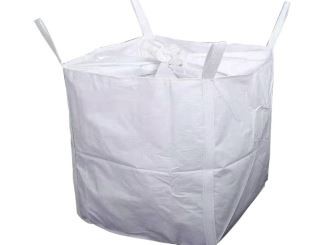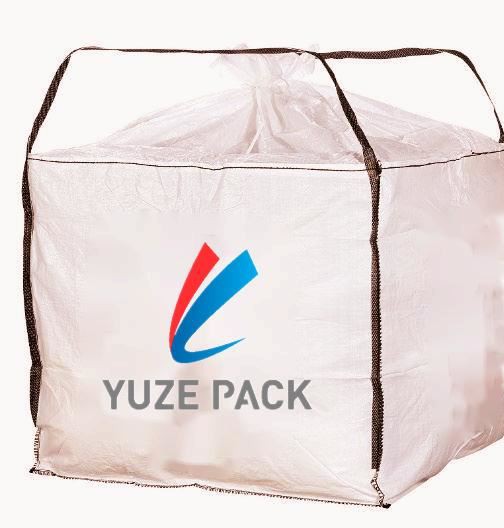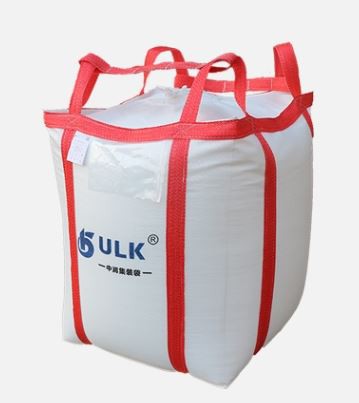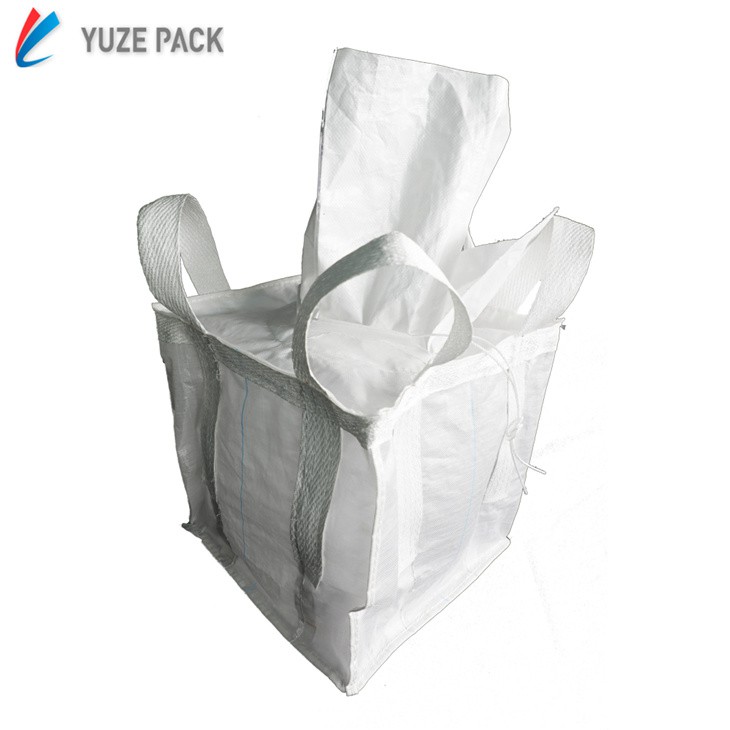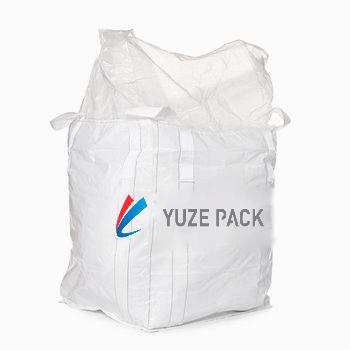
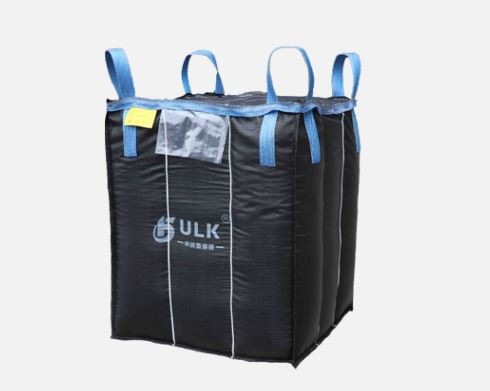
TYPE-A stretch container bagSafe to use:Comply with national GB/T10454-2000 executive standard and European ISO21898 executive standardSpecifications: 105X105X120cm (size can be customized)The feed port can be customized and the discharge port can be customized.Product application: used to...
Send Inquiry Chat NowComply with national GB/T10454-2000 executive standard and European ISO21898 executive standard
Specifications: 105X105X120cm (size can be customized)
The feed port can be customized and the discharge port can be customized.
Product application: used to transport non-flammable and explosive items, and there are no flammable solvents or gases around the container bag
It is prohibited to transport flammable and explosive items, and it is prohibited to place flammable and explosive solvents and gases around the use environment.
TYPE-A stretch container bags are made of ordinary polypropylene materials or other non-conductive materials. When filling or emptying a FIBC, the movement of cargo inside the FIBC will cause static electricity to be generated. An essential flaw of Type A container bags is that they do not have any mechanism to dissipate static electricity, and therefore cannot prevent the occurrence of high-intensity and dangerous propagating brush discharge (PBD). For this type of container bag, there are generally no requirements for static electricity prevention and control, so there is no need to conduct static electricity testing, there are no specific testing standards, and there is no need to affix classification labels. Although it is possible to label TYPE-A container bags, people rarely do so. Because if there is no label such as type B, type C or type D on the container bag, then the container bag can be considered to be type A.
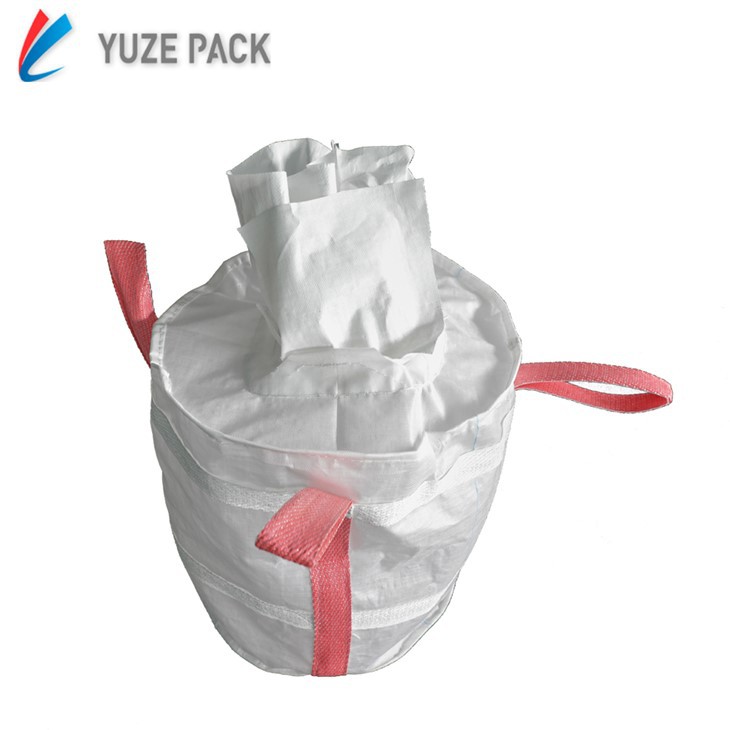
Features:This product was designed to take into account that when loading ultra-fine powder, it will spray out at the pinhole, so it added leak-proof cotton strips and non-woven fabrics to prevent leakage, and considering the large length and width, two of them cannot be placed side by side in the truck. For transportation, tie bars are added to solve the expansion problem. Considering the poor fluidity of the material loaded by the customer, we recommend using mesh tie bars as the corner tendons to avoid the difficulty of materials entering the inside of the corner tendons. This product has solved the above problem All questions. Let customers install it as they wish and use it worry-free.
 CONTACT