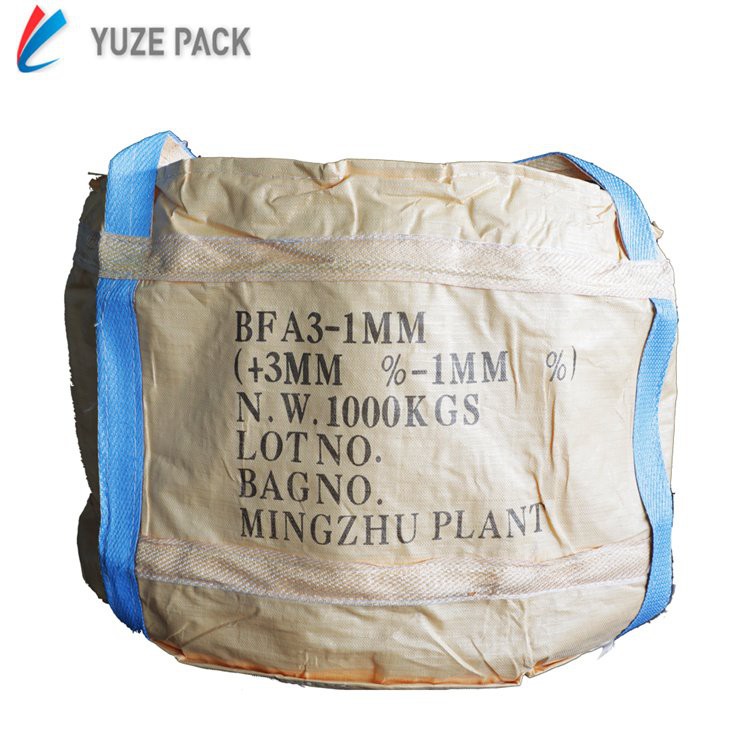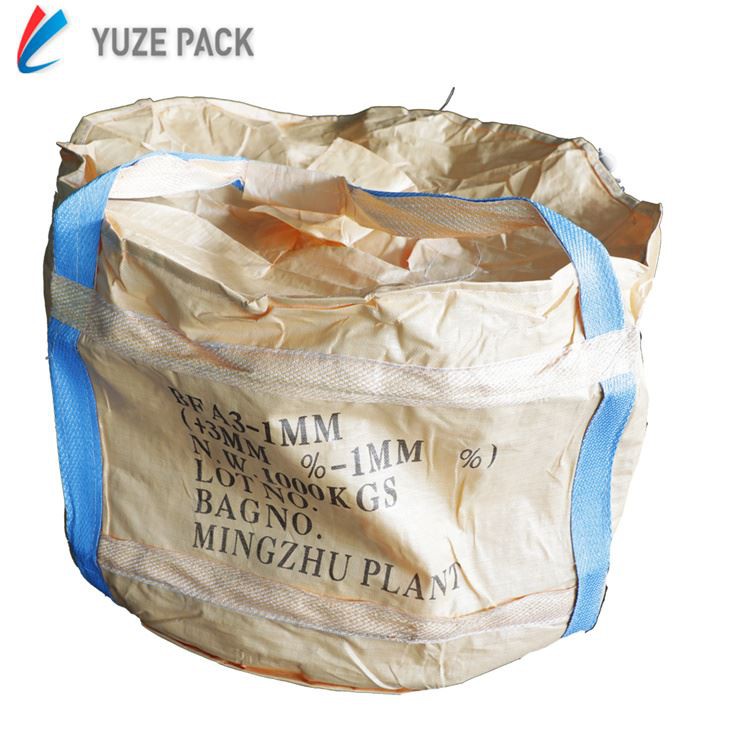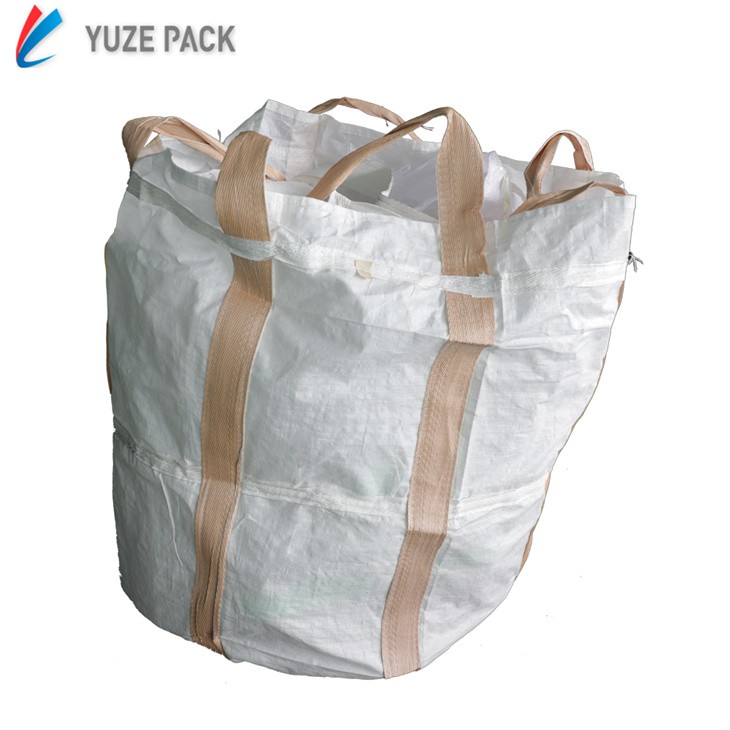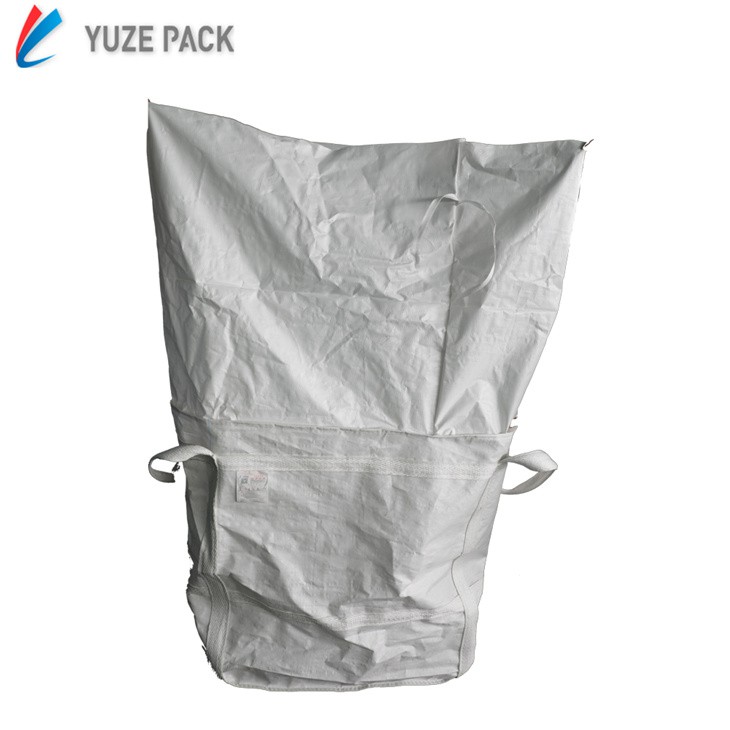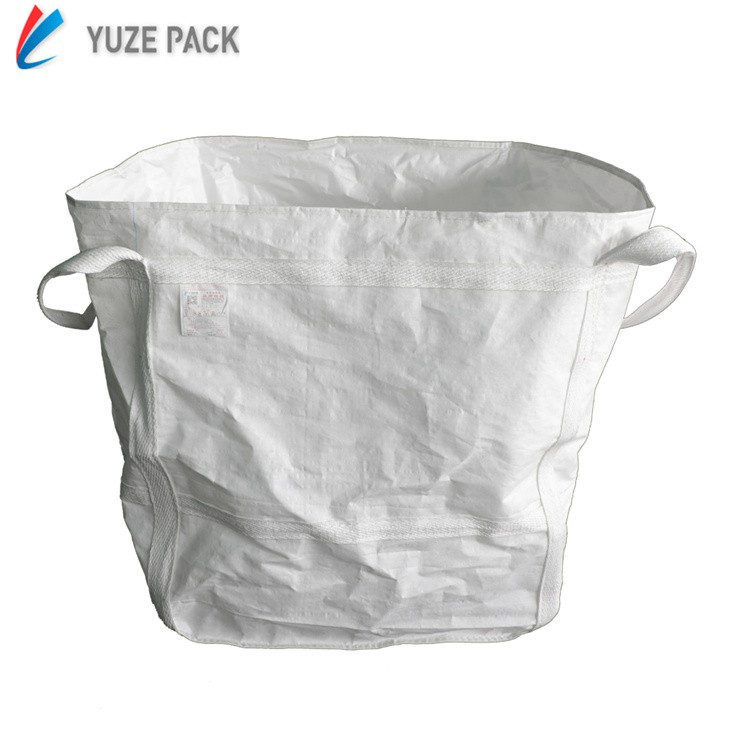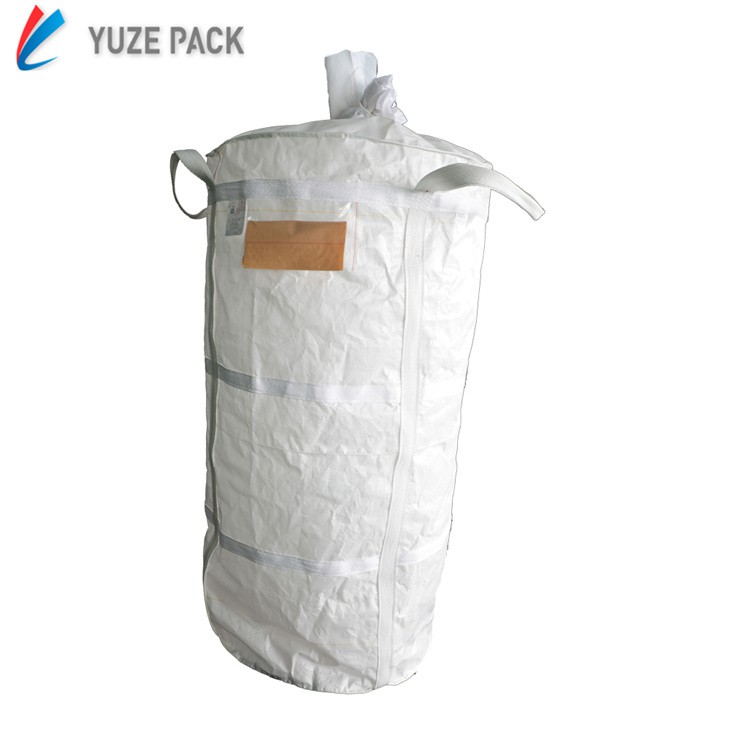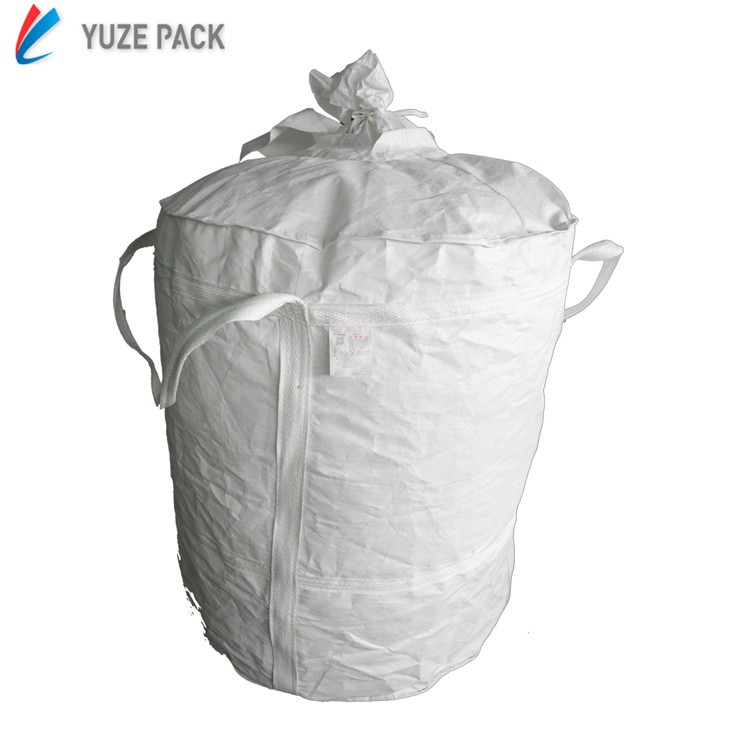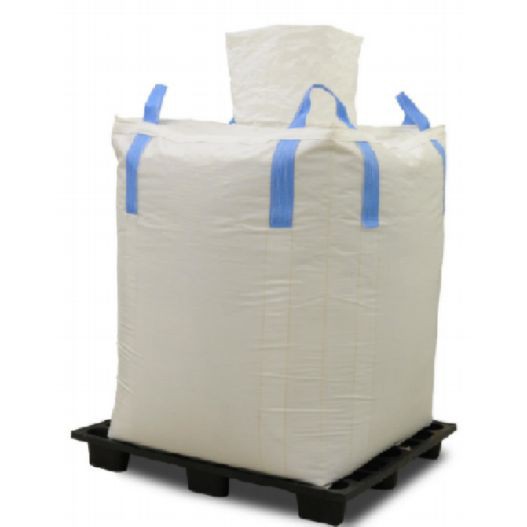
The next steps in the production process of a flexible freight container (FIBC) include:1. Material selection: The material used for the construction of a FIBC depends on the intended use of the container. Common materials include polyester, polypropylene, and polyester blends. The choice ...
Send Inquiry Chat NowThe next steps in the production process of a flexible freight container (FIBC) include:
1. Material selection: The material used for the construction of a FIBC depends on the intended use of the container. Common materials include polyester, polypropylene, and polyester blends. The choice of material should take into account factors such as strength, moisture resistance, and durability.
2. Sizing: The size of a FIBC is determined by the weight and dimensions of the materials being transported. The size should be large enough to accommodate the bulk of the material while also being easy to handle and load.
3. Cutting and sewing: Once the material is selected, it is cut into the desired size and shape using a sewing machine. The edges of the container are then sewn together to create a secure and leak-proof seal.
4. Printing and branding: A FIBC can be printed with a company logo or other design to help with branding and marketing efforts.
5. Testing: Before being released for use, a FIBC undergoes a series of tests to ensure its quality and safety. These tests may include tensile strength testing, compression testing, and impact testing.
Once a FIBC has been produced, it can be used in a variety of industries and applications, including construction, agriculture, and chemical manufacturing. The flexible nature of FIBCs allows them to be used to transport bulk amounts of powders, grains, and other materials, making them an ideal choice for shipping and storage purposes. Additionally, FIBCs are designed to be durable and easy to handle, which makes them a popular choice for many industries.
1. Packaging: Once a FIBC has been manufactured, it may be packed in a box or crate for shipping. The packaging should be sturdy enough to protect the container during transit, while also being lightweight enough to reduce shipping costs.
2. Shipping and delivery: The FIBC is then shipped to its destination, either directly to the customer or to a warehouse for distribution. Delivery methods may include truck, train, or sea freight, depending on the distance and the quantity of containers being transported.
3. Maintenance: FIBCs require minimal maintenance, but it is important to periodically inspect them for any signs of wear and tear. This may include checking the stitching and seams for any damage or cracking and replacing any damaged parts.
4. Disposal: When a FIBC is no longer needed, it should be disposed of in an environmentally responsible manner. Many companies will accept used FIBCs for recycling, which can help reduce waste and conserve resources.
5. Continuous improvement: The production process for FIBCs is constantly evolving to improve efficiency and quality. Manufacturers may incorporate new materials, manufacturing techniques, or design features to enhance the performance and value of their products.
 CONTACT