Sandbag BarriersSandbag should be woven polypropylene, polyethylene or polyamide fabric, use of burlap is not an acceptable substitute, as sand can more easily mobilize out of burlap. The most common method of damming off property is stacking polypropylene sandbags but recently, a better w...
Send Inquiry Chat NowSandbag Barriers
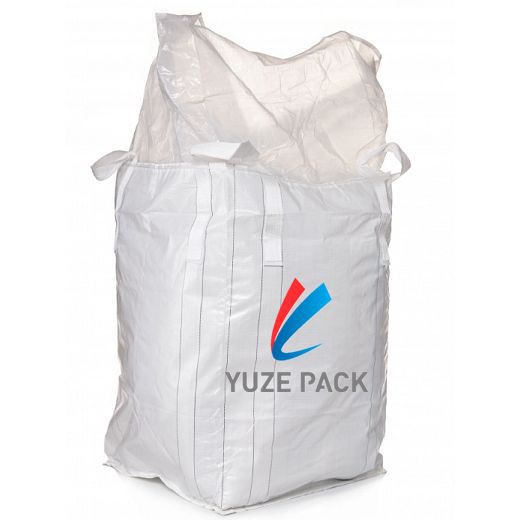
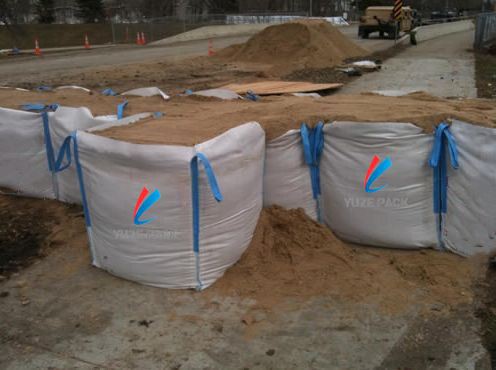
Sandbag should be woven polypropylene, polyethylene or polyamide fabric, use of burlap is not an acceptable substitute, as sand can more easily mobilize out of burlap. The most common method of damming off property is stacking polypropylene sandbags but recently, a better way to protect against floods may have emerged. Not only are FIBCs great for transporting and storing dry flowable products, they are also great for emergency water control and building temporary dams.
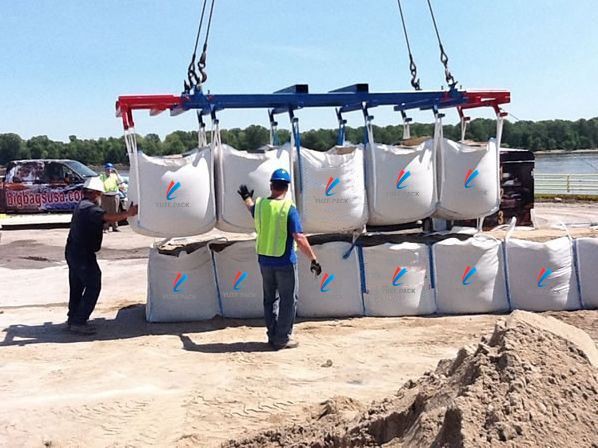
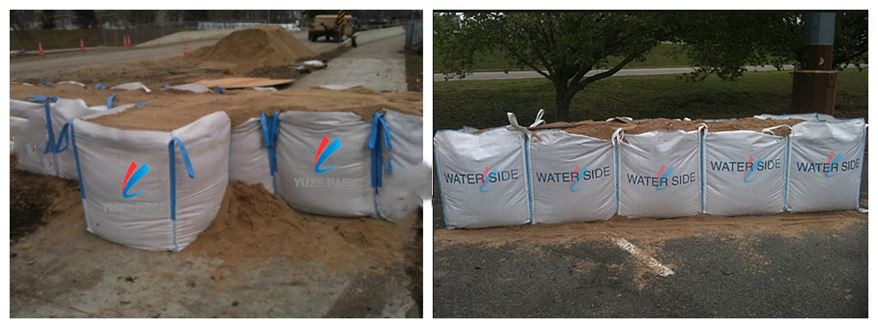
Traditionally, stacking 40-to 60-pound sandbags has been the preferred method for emergency flood control due to their wide availability and the ease-of-use, but using big bags are now a recognized method of controlling flooding and some emergency flooding businesses are now using bulk bags exclusively for flood prevention, controlling flood waters, and even building temporary dams.
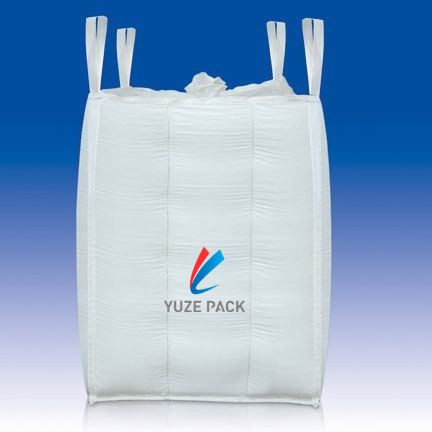
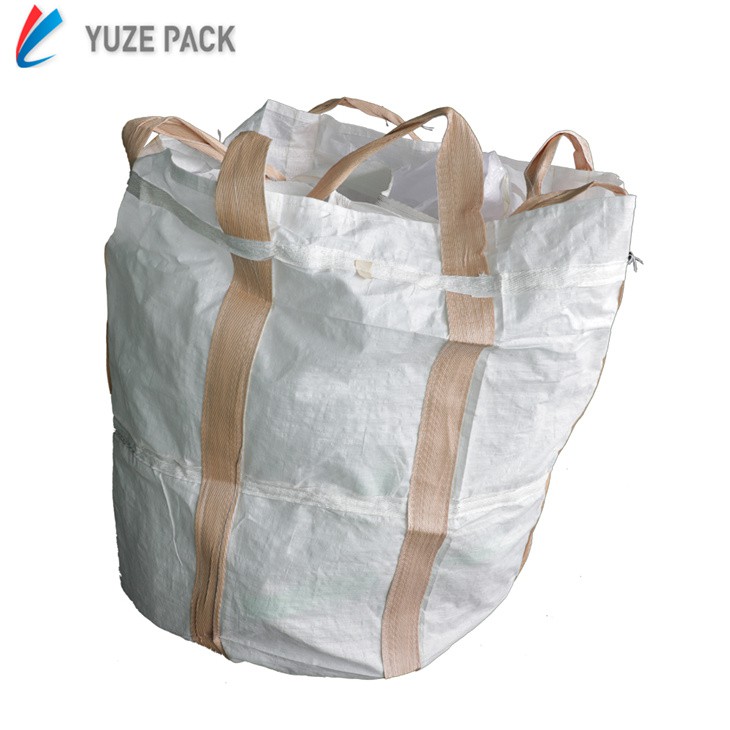
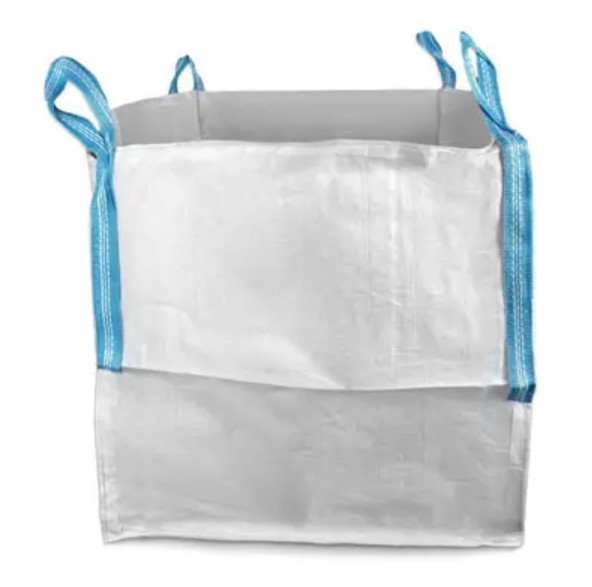
Coated bags are made with 100% polypropylene offering the same light, yet extremely strong tear resistant security that traditional sandbags offer, but allow emergency crews to use one bag in place of dozens of traditional sandbags. FIBCs used for flood control also have a coating which is a water resistant, and UV protectant (much like traditional sandbags) that helps protect the bag from breaking down when exposed to ultraviolet rays such as sunlight. FIBC big bags used for flood control/prevention are typically filled with sand, much like traditional sandbags, but can be filled with other substances such as gravel, dirt and other flowable materials.
However, bags on their own can't completely stop water. Because of the small gaps that remain between the two bags, combining the use of bulk bags with a waterproof membrane OR by filling the gaps between the FIBCs with sandbags are two easy ways to complete your watertight barrier. For more flood control options, be sure to visit our company!
 CONTACT