Company Profile
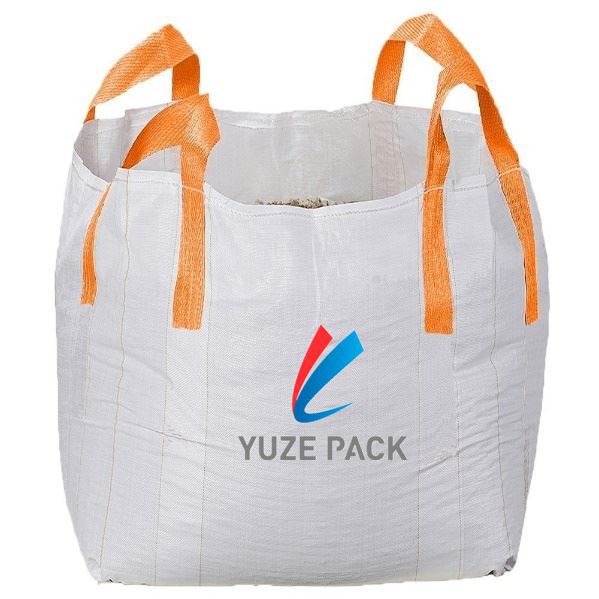
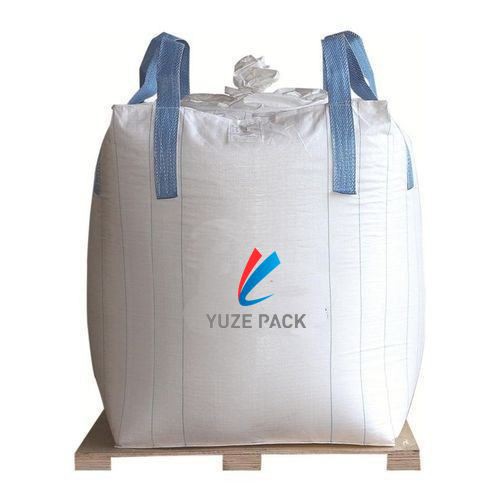
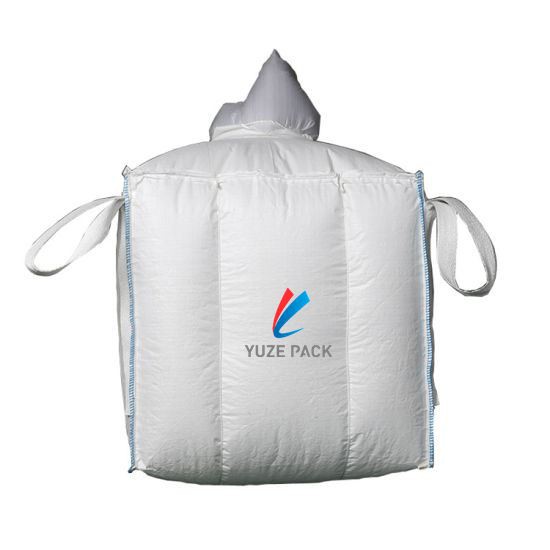
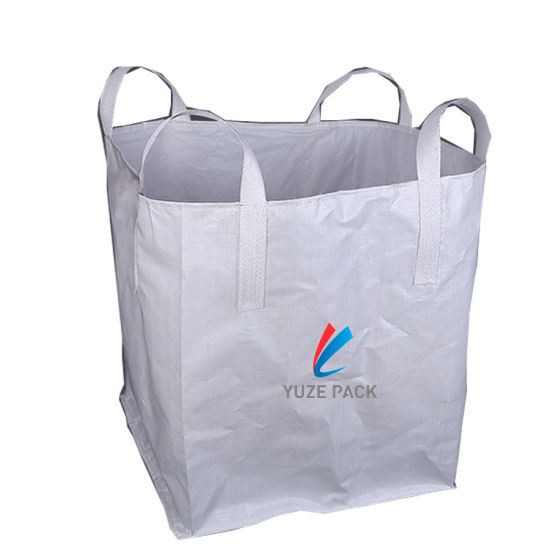
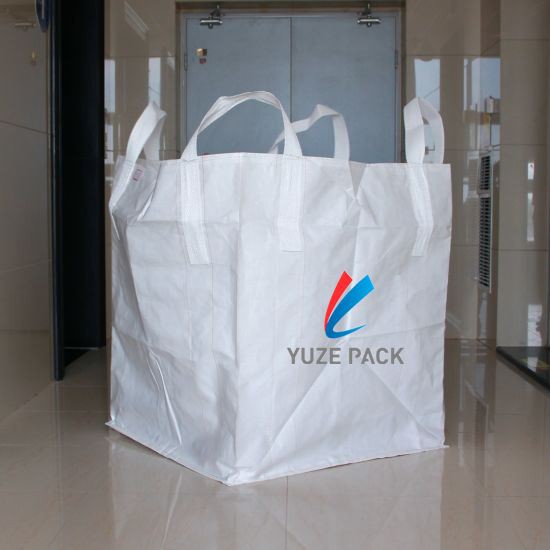
Since being founded in 2015, Yuze Pack is devoted to be the Chinese Leading bulk bag manufacturer with premium quality and prompt delivery to fulfill worldwide bulk bag needs from our distributors and final users.
Production environment protection control allows us to have an eco-friendly production which is highly praised by local government. And we also have an experience team of international business to ensure our cooperation more smoothly.
Advanced Equipment
Yuze Pack has 4 PP Monofilament Extrusion Lines, 50 circular looms, 30 webbing machines,480 sewing machines as well as packaging and test equipments. Our annual capacity is 12,000 tons of semi-finished products and 3 million bulk bags.
Professional Team
In order to provide a better service to customers from different countries, Yuze Pack acquires a membership of Flexible Intermediate Bulk Container Association in United States. And all FIBC from Yuze Pack are covered worldwide by American International Group Insurance Company China Limited.
Factory
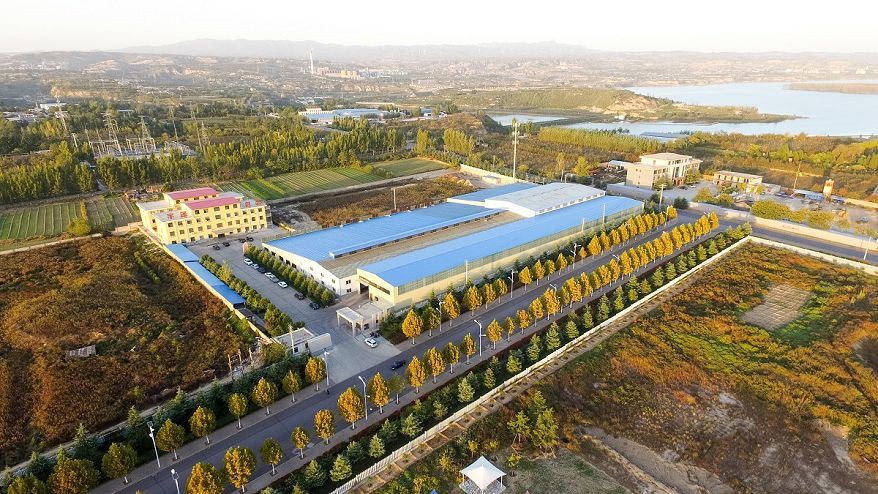
Yuze Pack Limited, established in 2015 with registered capital 19 million RMB, is a Flexible Intermediate Bulk container (or bulk bag/ big bag) manufacturer. Located at Yuncheng City in Shanxi Province next to Sanmenxia City in Henan Province across Yellow River, Yuze Pack has a convenient transportation to Tianjin Port and Qingdao Port.
Certificate
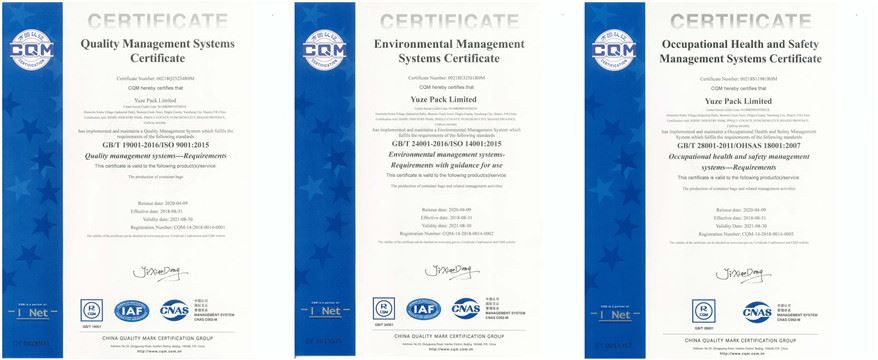
Aiming to be a leading FIBC manufacturer in China, Yuze Pack sets up a comprehensive control system of quality and environment along with employee health protection. It has earned us the ISO 9001:2015, ISO 14001:2015 & OHSAS 18001:2007.
Families may choose from five food bag options tailored to various cultural dietary preferences or situational needs. Our food bags contain 4-5 pounds of good food that is nutritious, delicious, and relevant, providing approximately four meals. Each food bag is individually packed by volunteers with a variety of shelf-stable fruits, vegetables, proteins, and grains.
Utilize stuff sacks or ditty bags to further organize with perhaps different colors of zippered food bags representing specific days of the trip with each meal packed in its own bag inside. However you choose to organize, it’s also important that the zippered food pack is built to the exact right specifications. When fully loaded, the zippered food bag fits snuggly inside the Cooler Pack so you don’t have to waste time folding excess material or jostling loose items around to fit.
Separation
Separating your food from the rest of your gear is a wise idea. For one, it allows for easy access to your snacks and meals. This makes refueling easy during a short break. This separation also helps contain spills. If a granola bar or dry food bag rips open in your backpack, you don’t want those crumbs infesting the rest of your pack. It’s messy and can make your gear attractive to bugs and animals.
Smell Reduction
When you store your food in a bag, you reduce the chances that the scent will spread to the rest of your gear. You won’t want your sleeping clothes smelling like food if you’re camping out in bear territory. Aside from safety, it is also more pleasant to limit food odors. I don’t think anyone wishes their sleeping pad smelled like trail mix.
Safe Storage
When you’re at camp, you can use the food bag to hang in a tree for safe storage as you sleep. This will keep animals like racoons, mice, and bears from stealing your snack in the middle of the night. Some backpacking food bags are designed to keep animals out, while others simply contain your food in one space so you can store them out of animal’s reach.
Space Saving
If you’re looking to reduce some of the bulk in your pack, a food bag can help you condense your food stash. If you use a stuff sack, you can squeeze some of the air out of it to reduce the size of your food supply. This might crush your crackers, though.
Blue Bag
Tailored for East African dietary preferences, this bag is pork-free and may contain items such as tuna, spaghetti, black-eyed peas, corn flour, and tomato products.
Green Bag
Tailored to offer the widest variety of food items, this bag may contain items such as chicken, tuna, pasta, rice, mac and cheese, chili/soup, and varied vegetables and fruits.
Orange Bag
Tailored for Latino dietary preferences, this bag may contain items such as rice, black beans, pinto beans, corn flour, fideo pasta, enchilada sauce, chipotles in adobo, and diced chiles.
Purple Bag
Tailored for Southeast Asian dietary preferences, this bag may contain items such as rice, rice noodles, coconut milk, bamboo shoots, curry paste, green beans, and mandarin oranges.
Yellow Bag
Tailored with all ready-to-eat items which require little or no preparation, this bag may contain items such as dried fruit, chicken salad, sunflower seeds, granola, pasta cups, and soups.
Are Grocery Bags the Same as Plastic Bags?
Food bags are usually made from a type of plastic called polyethylene or polypropylene, both of which are food-grade materials and safe for contact with food. Plastic bags, on the other hand, are usually Made from a different type of plastic called polyethylene terephthalate (PET), which is not food grade and not suitable for contact with food.
Food bags are designed to be flexible and durable, with high tensile strength to prevent tearing and punctures. They are also designed to be moisture-proof and air-tight to keep food fresh. On the other hand, plastic bags tend to be less flexible and may not be as durable as grocery bags. They are also not designed to be moisture-proof or air-tight.
Food bags are mainly used for packaging and storing food, while plastic bags are often used in a wide range of non-food applications, such as packaging clothing, toys and other household items. Food bags are designed for In order to ensure safety when in contact with food, it is usually used to store and transport food, such as bread, produce and snacks. Plastic bags, on the other hand, may not be safe in contact with food and are generally not used for food packaging.
Step 1: Design Artwork
Before producing packaging bags, you need to have a design drawing of the packaging bag. This design drawing requires the cooperation of the customer and the designer. The general content includes: the pattern design on the front of the packaging bag, rich colors, text font matching, etc. The back of the packaging bag should include: contact information, product introduction, etc., as well as the size of the packaging bag and other data. These data need to be communicated one by one, the more detailed the better, and finally they need to be confirmed word by word to avoid unnecessary losses.
Step 2: Plate making
After the artwork is finalized, plate making requires professional plate making technicians to perform color separation processing on the artwork. The general steps of plate making are: confirm the type of packaging bag, confirm the font lines of the packaging bag, confirm the size of the packaging bag, and confirm the transition color , background color problem, shortening problem of substrate, etc.
Step 3: Print
After preparing all the raw materials, start the printing process. Generally, a high-speed printing machine is used to print the surface film (there is a plate roller for each color during printing, and the engraving of the plate roller is usually gravure engraving). High-speed printing of Beiyin Packaging The machine is a nine-color printing machine, which can meet the needs of most customers. During printing, the ink is constantly flowing and the ink will condense. Therefore, a scraper is embedded during ink printing and film printing. The scraper is to convex the plate roller. Scrape the ink out of the area so that the recessed plate roller can be printed.
Step 4: Compound
Lamination is to laminate the printed surface film and the easy-to-heat-seal inner film using a special high-speed laminating machine with special glue.
Step 5: Curing
After the compounding is completed, it is cured for more than 24 hours under certain conditions in the curing room. The purpose is to prevent the food packaging bags from delaminating easily.
Step 6: Bag Making
The last step of bag making requires bag making technicians to ensure that the edges of the color-printed packaging bags are well sealed and airtight, and that the temperature control of the hot knife must be technical.
Food bags can go directly into the refrigerator. But it depends on what kind of bag it is. If it is an ordinary plastic bag, it is not recommended to put it in. It is best to use a food-specific bag instead of a plastic bag directly. Because after being frozen in the refrigerator, the plastic bag will adhere tightly to the food for a period of time, which can easily cause environmental pollution of the food. Food outer packaging bags are a kind of outer packaging bags specially used for packaging food. Food outer packaging bags can be divided into composite bags and single-sided product packaging bags. The actual performance level of composite bags is much greater than that of single-sided products. Packaging bags for pasta products, so when food is used in outer packaging boxes, composite bags are often used, and food outer packaging bags can be used if the temperature of the safe refrigerator compartment is above 0 degrees, and there is nothing Impact, if it is frozen, ordinary bags are not enough and are easy to crack. Frozen food bags must be used. Frozen food bags are specially used for food that needs to be frozen in the outer packaging. They are frozen at -18 degrees. Generally it won't crack.
The plastic wrap in shopping malls should use PE plastic wrap. PE is high-pressure polyethylene. These materials are mainly used in the packaging of food products. They are very safe for human health and can be used with confidence. Generally, it is not possible to use this food bag to replace plastic wrap. Food bags with different effects are generally not poisonous under continuous high temperature conditions. Plastic wrap can generally operate normally. Refrigerated and frozen foods in the refrigerator should also be covered with plastic wrap and should not be replaced directly with plastic bags.
The food bag itself is developed for carrying food. For example, if you use a food bag to pack tomatoes and put them in the refrigerator, it is absolutely fine. In addition, if there is no plastic wrap, the food bag can also play a certain role in isolation. Generally, food bags can be placed in the refrigerator. If it is a portable plastic bag, it is not recommended because the production process and material selection of portable plastic bags are not as good as composite bags. In the refrigerator, over time, it may be harmful and mildew may occur, causing damage to the food in the bag. If it is left for a day or most of a day, it is not a big problem. The actual quality of the bag depends on itself.
What are Some Details that need to be Paid Attention to when Using Food Bag?
Proper use of food packaging is important to us because every food packaging idea comes in contact with food to protect it.
Heating food packaging in the microwave oven every day must be avoided, and it is inevitable to use food packaging for heating in the microwave oven, so care must be taken not to damage the food.
Since ordinary food bag do not have sufficient breathability and storage properties, it is impossible to package food in drip-proof food bag and store them in the refrigerator every day as well as ordinary plastic packaging.
Avoid using it in daily life. If the food is not high-temperature food, put it in a continuous food bag, and put the orange plastic bag directly in the food at the entrance of the hot field. Eat food packaged in heat. If the bag is used for a long time, the food will quickly deteriorate and rot, making it impossible to keep it fresh.
Yuze Pack Limited, established in 2015 with registered capital 19 million RMB, is a Flexible Intermediate Bulk container (or bulk bag/ big bag) manufacturer. Located at Yuncheng City in Shanxi Province next to Sanmenxia City in Henan Province across Yellow River, Yuze Pack has a convenient transportation to Tianjin Port and Qingdao Port.
Aiming to be a leading FIBC manufacturer in China, Yuze Pack sets up a comprehensive control system of quality and environment along with employee health protection. It has earned us the ISO 9001:2015, ISO 14001:2015 & OHSAS 18001:2007.
As one of the most professional circular bag manufacturers and suppliers in China, we're featured by quality products and competitive price. Please rest assured to buy or wholesale circular bag in stock here from our factory. Also, customized service is available.
 CONTACT