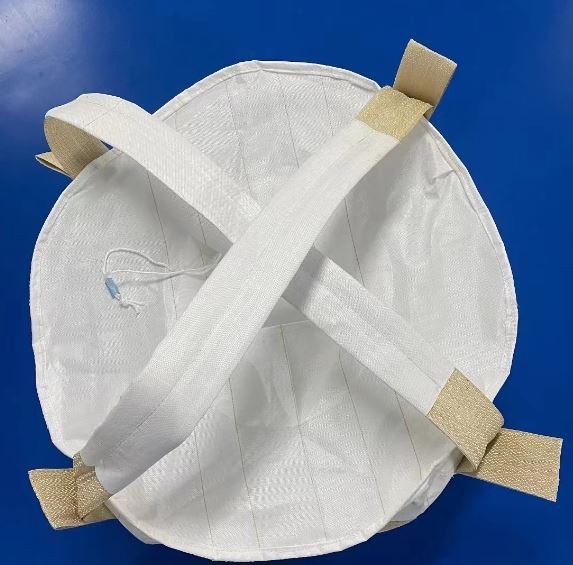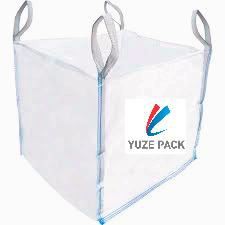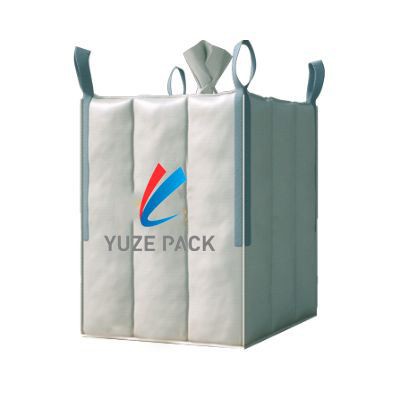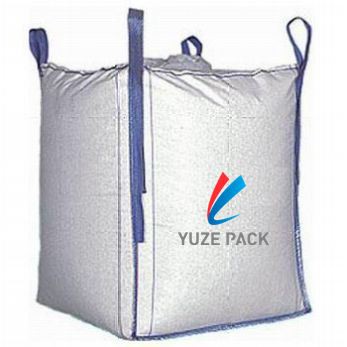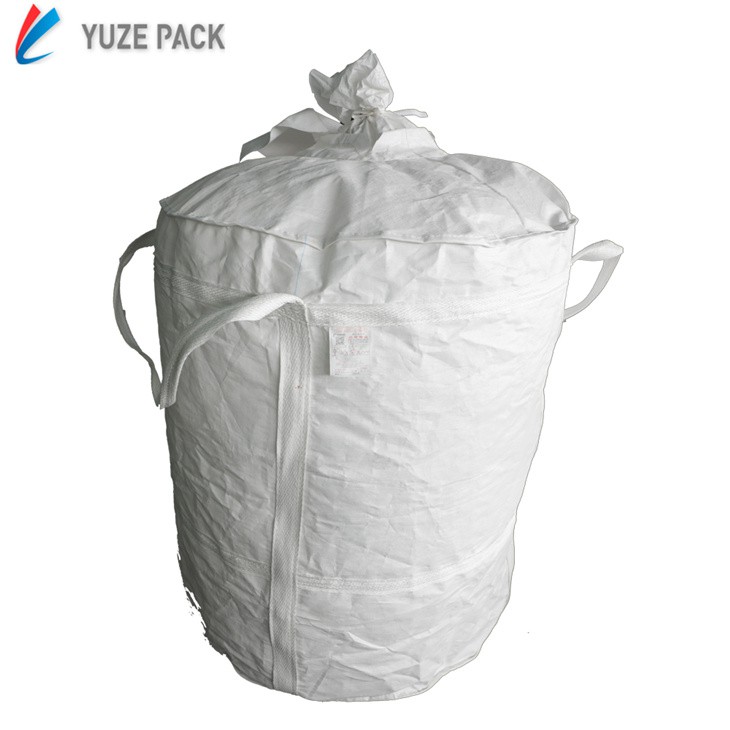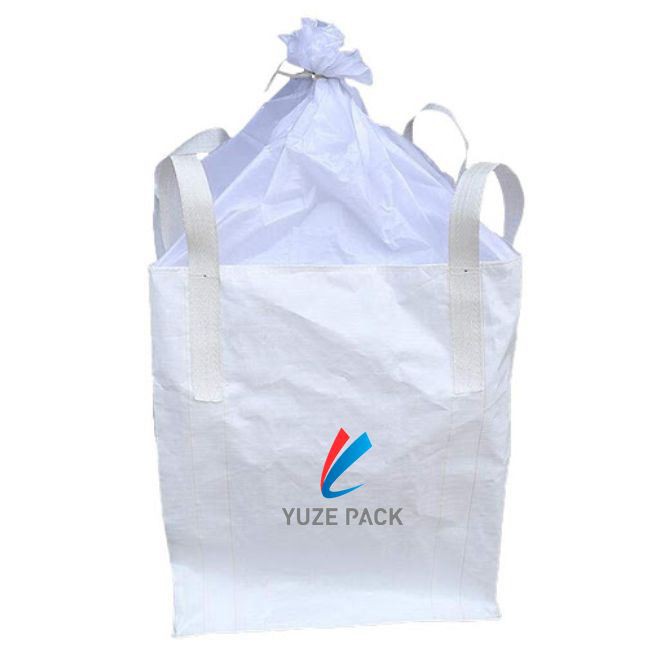
Container bags, also called tonnage bags, are plastic woven bags that can hold 0.5 to 3 tons of goods. They are usually extruded and woven from three-folded wire or plastic flat wire. Its strength can be more than twice that of ordinary plastic woven bags. According to the quality of the goods, FIBC can be divided into several specifications of 0.5, 1.0, 1.5, 2.0, 2.5, 3.0 tons; according to the performance, it can be divided into ordinary FIBC, functional FIBC and special purpose container Bagging; according to quality grade, it can be divided into high, medium and low grades. Among them, high-end container bags are mostly functional or special container bags, such as container bags used for packaging food, medicine, cosmetics, etc., which have high requirements on bag strength, weather resistance, especially hygiene, and the price is usually Up to 100 ~ 300 yuan/ article; mid-end products mainly refer to the packaging bags needed for chemical products such as chemical fertilizers, polyolefins, soda ash, priced at about 60 ~ 85 yuan / article; low-end container strength, appearance, Hygiene and other indicators are relatively low. Most of them are used for the import and export of iron ore, aluminum ingots, aluminum powder, iron powder and other metals and raw ore packaging. The selling price is usually less than 55 yuan per article.
Developed countries have used FIBCs as early as the 1980s and 1990s, while FIBCs in my country started in 2001. After that, driven by the steady increase in the export volume of fertilizers and chemical products, Yixing, Zibo, Qingdao, Dezhou, Lianyungang, Dalian, Shenzhen and other regions close to the port have successively built container bag production lines. From 2005 to 2007, my country's container bag industry ushered in the first period of rapid growth, with an average annual growth rate of more than 20%. From the second half of 2008 to the first half of 2013, affected by the financial crisis, the global economic growth slowed and exports were blocked. The overseas demand for container bags decreased significantly, and the average annual growth rate of domestic container bags fell to less than 12%.
After the second half of 2013, China's foreign trade volume increased steadily, spurred by China's stable economic growth, the strong rebound of the US economy after bottoming out, and the euro zone's basically getting rid of the debt crisis. In particular, China has introduced a series of loose policies to promote the development of foreign trade, which has greatly promoted the export of fertilizers, coke, carbon black and other products, thereby effectively increasing the demand for container bags, and helping existing container bag companies to open their doors. Horsepower production.
 CONTACT