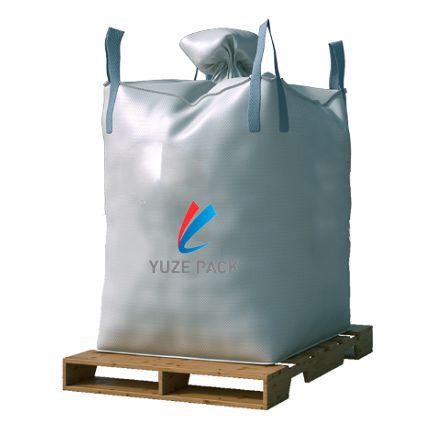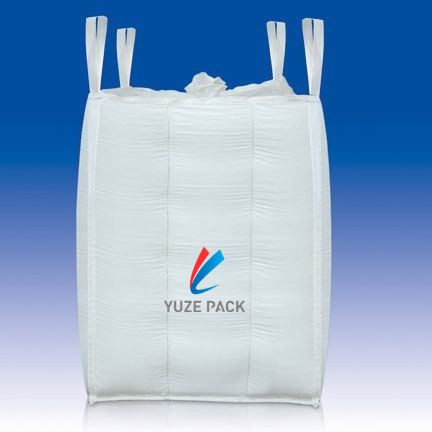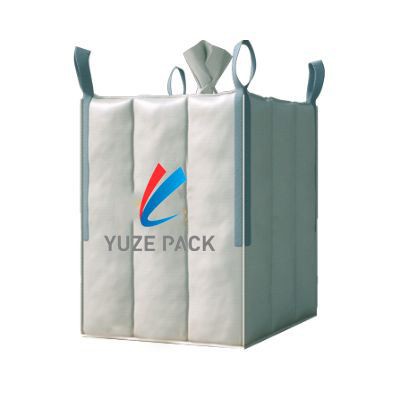
Company Profile
Since being founded in 2015, Yuze Pack is devoted to be the Chinese Leading bulk bag manufacturer with premium quality and prompt delivery to fulfill worldwide bulk bag needs from our distributors and final users.
Production environment protection control allows us to have an eco-friendly production which is highly praised by local government. And we also have an experience team of international business to ensure our cooperation more smoothly.
Advanced Equipment
Yuze Pack has 4 PP Monofilament Extrusion Lines, 50 circular looms, 30 webbing machines,480 sewing machines as well as packaging and test equipments. Our annual capacity is 12,000 tons of semi-finished products and 3 million bulk bags.
Professional Team
In order to provide a better service to customers from different countries, Yuze Pack acquires a membership of Flexible Intermediate Bulk Container Association in United States. And all FIBC from Yuze Pack are covered worldwide by American International Group Insurance Company China Limited.
Factory
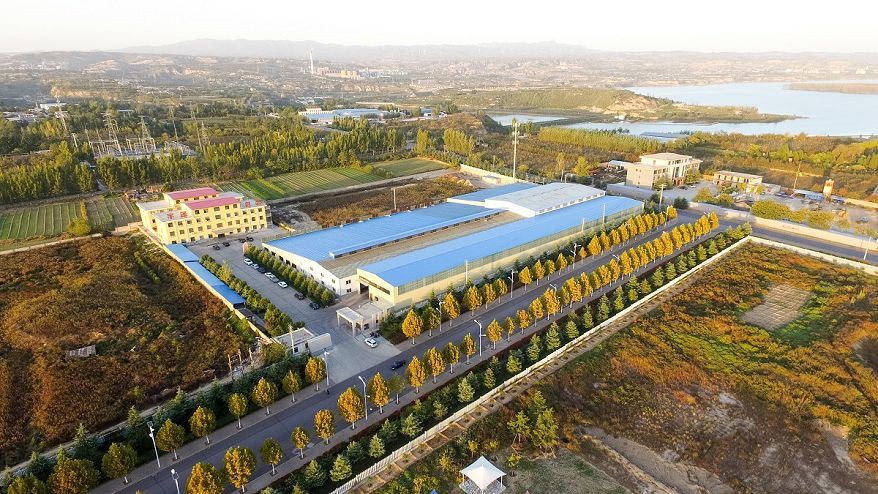
Yuze Pack Limited, established in 2015 with registered capital 19 million RMB, is a Flexible Intermediate Bulk container (or bulk bag/ big bag) manufacturer. Located at Yuncheng City in Shanxi Province next to Sanmenxia City in Henan Province across Yellow River, Yuze Pack has a convenient transportation to Tianjin Port and Qingdao Port.
Certificate
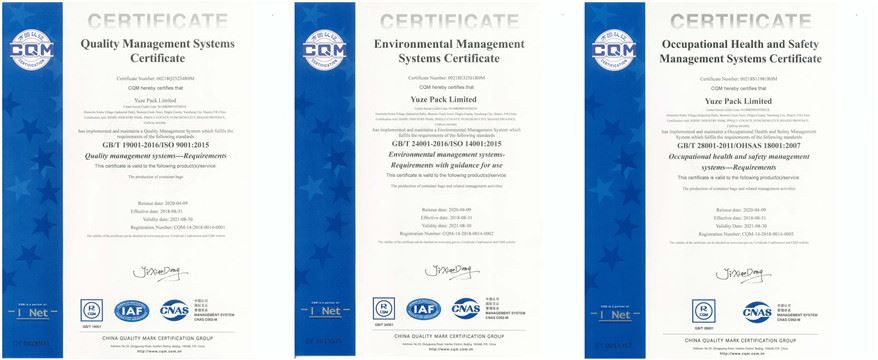
Aiming to be a leading FIBC manufacturer in China, Yuze Pack sets up a comprehensive control system of quality and environment along with employee health protection. It has earned us the ISO 9001:2015, ISO 14001:2015 & OHSAS 18001:2007.
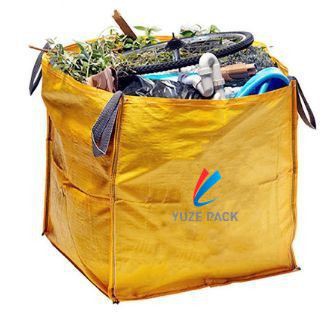
Because they are so durable, this also means they can carry a lot more weight. A Construction Bag makes it convenient to haul trash and debris from the job site to a nearby dumpster. These demolition bags are designed to carry job site waste and materials like concrete and bricks, paint cans, metal, and more. You can also use the multi-use tote for carrying tools and supplies to and from your vehicle.
An important part of any successful construction, paint, or renovation job is keeping the job site clean and organized. Not only does it help keep the job site running smoothly and efficiently, but it also improves safety by keeping debris and materials out of the way.
Tough And Durable
Made out of woven polypropylene, our heavy-duty construction bag is durable and resistant to punctures and tears. Whether you are hauling branches and yard waste, bricks, broken concrete, tools, paint cans, or other job site materials, the construction bag is strong enough to do it all without breaking.
Convenient And Easy To Use
one tuff bagOur demo bags are designed with a 45-gallon capacity. This means you won’t need to empty them as often, keeping your job running efficiently. They are self-standing so you don’t have to deal with the hassle of finding a place to prop them up or hang them during use. Plus, they’re reusable and recyclable, and fold up easily for storage.
Versatile Waste Management For Any Job
Construction bags are not just for construction sites. You can use them for lawn care and landscaping, painting, drywall, remodeling, and more. Whether you’re a contractor or a DIY homeowner, this is a versatile accessory that you can use again and again.
Tear-Resistant
They should be tear-resistant because these bags are mostly used for rough purposes; they get dragged, pulled, and shoved often. It is important that you don’t get holes in it easily because it would just turn out to be a waste of money if holes start appearing all over it after a few uses.
Water And Weatherproof
The Construction Bag should be water and weatherproof because carrying your stuff in rough conditions means it will get wet sometimes. It is important that the bag retains its original shape even after getting wet. The most common material for manufacturing them is polyethylene or plastic which makes them weather resistant and perfect for carrying your stuff even when you’re caught in the rain.
Recyclable
Another key aspect to look for is whether they are recyclable or not. It is important to know whether they will get wasted after a specific number of uses or if they can be recycled easily because all of these Construction Bag cannot really be directly recycled, unlike Construction Bag which could be used over and over again.
Easylift bags
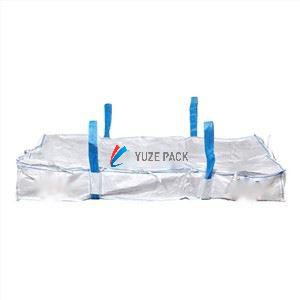
Perfect for automated picking and dropping of raw materials, proving their heavy-duty robustness in the process. Helps reduce the time taken to pack and ship construction materials to their final destinations. These pallet-less bags are rugged and made from sturdy materials, eliminating the need for pallets. This results in reduced expenditure.
Industrial bags
These heavy-duty bags are perfectly suited for heavier and crude materials like stones, sand, or gravel. These bags can hold large quantities of basic construction materials while lending themselves well to automated lifting and packing. From 4-panel bags to baffle bags and circular bags, Codefine’s construction-oriented FIBCs are versatile and sturdy.
Printable bags
These bags are made from superior polypropylene (pp) material, allowing you to print branding information clearly. This helps workers and construction staff easily recognize raw materials and complete projects quickly.
Moisture-resistant bags
Most of our pp bags are moisture-resistant and help ensure safe storage and transportation of wood, cement, and other moisture-sensitive raw materials. Examples include woven pp bags, AD*Star™ bags (Block Bottom Valve Bags), among many others.
What to Consider for Construction Bag
Construction Bag are highly customisable with various optional extras available to suit your specific requirements. When it comes to FIBCs for construction, quality and durability are the two most important factors. These ensure the proper performance of the FIBC and their ability to safely store various materials as expected.
Bags made from high-quality polypropylene are extremely durable and tear-resistant. This provides superior protection against wear and tear, moisture ingress and the elements present at a construction site. Additional UV-resistant coatings are highly recommended for the external fabric of the bulk bags to prevent the sun from damaging them.
Be sure to choose a higher weight of fabric as these are more durable. Our consultants are always available to guide you through the options and to give you advice that will improve the durability of your FIBCs. They can also assist you with choosing the correct bag style, lifting loops and attachments that will improve the FIBCs efficiency and effectiveness on-site.
Remember to let us know if your Construction Bag will be stored under a cover or out in the open as this will change the necessary design and the need for additional coatings or inner liners. While UV coatings are recommended for bulk bags that are used outdoors, such as on a construction site, if they are stored under a cover then it means that a lesser coating will be required.
Erosion Control and Silt Fencing
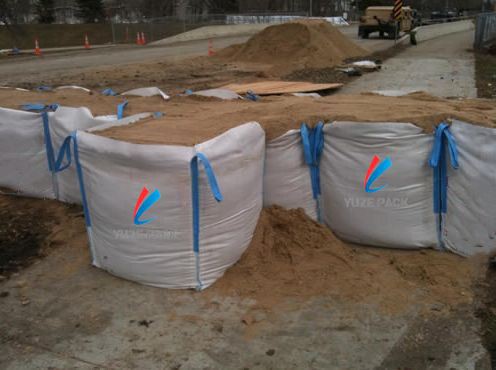
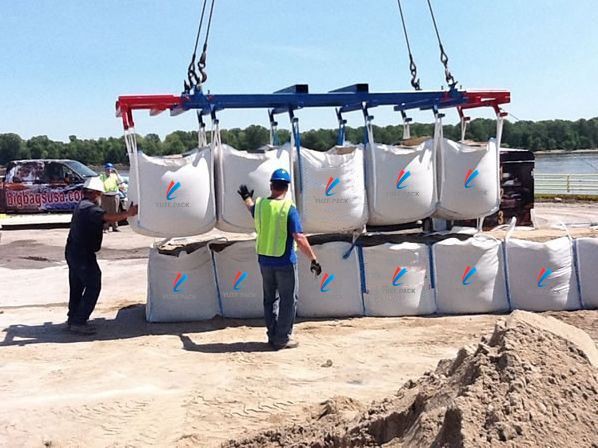
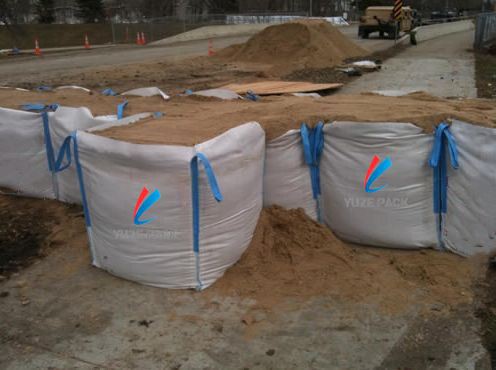
Polypropylene mesh bags are also employed in erosion control applications. They can be filled with materials like rocks or sand and used to create barriers that prevent soil erosion. Additionally, they are used as silt fencing to filter sediment-laden water, protecting nearby water bodies from pollution.
Containment and Debris Removal
In industrial settings, polypropylene mesh bags are used for containing and disposing of waste materials. They are tough enough to handle sharp or heavy objects and are often utilized in construction sites for collecting debris and trash. Their durability ensures that they can withstand rough handling and harsh conditions.
Sandbag Barriers in Flood Control
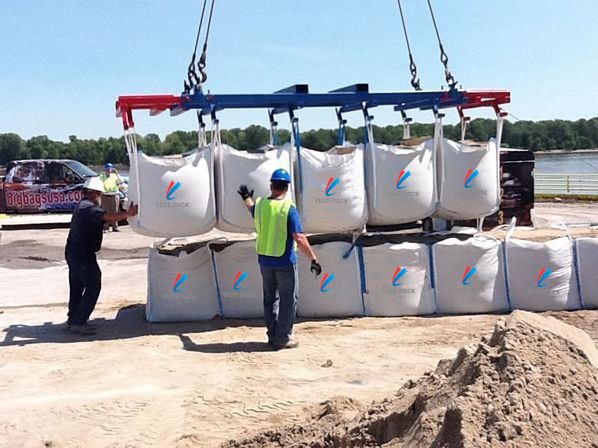
During floods or heavy rains, sandbag barriers are crucial for preventing water damage. Polypropylene mesh bags filled with sand are commonly used for constructing these barriers. They are an effective and portable solution that can be quickly deployed in emergency situations.
Construction Bagand ordinary plastic bags are two different types of packaging bags. They are different in terms of use, material, structure and specifications.
1. Different uses
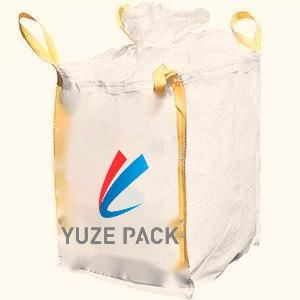
Construction Bag, also known as big bags or ton bags, are a kind of packaging bags with a wide range of uses. It is widely used in logistics, transportation and warehousing loading in chemical, cement, grain, minerals, building materials, plastics, fertilizer and other industries. It can reduce manpower, reduce costs and improve efficiency, and is a convenient and fast way of logistics packaging.
Ordinary plastic bags refer to plastic bags in a broad sense, including plastic bags of various sizes, thicknesses and uses. Ordinary plastic bags have a variety of uses and can be used as supermarket shopping bags, garbage bags, clothing storage bags, home organization bags, etc. It is disposable, lightweight and easy to carry, and is one of the common items in life.
2. Different materials
Construction Bagare made of materials with high wear resistance and tensile strength such as polypropylene (PP), which have good toughness, strong load-bearing capacity, and good compression resistance. In addition, it has good anti-corrosion, moisture-proof, flame-retardant and other characteristics. This ensures that the entire bag protects the goods during transportation and storage.
Ordinary plastic bags are made of various materials, including polyethylene (PE), polyvinyl chloride (PVC), etc. Ordinary plastic bags are characterized by low price and rich colors, but they are easy to tear, have poor pressure resistance, and cannot carry heavier items.
3. Different structures
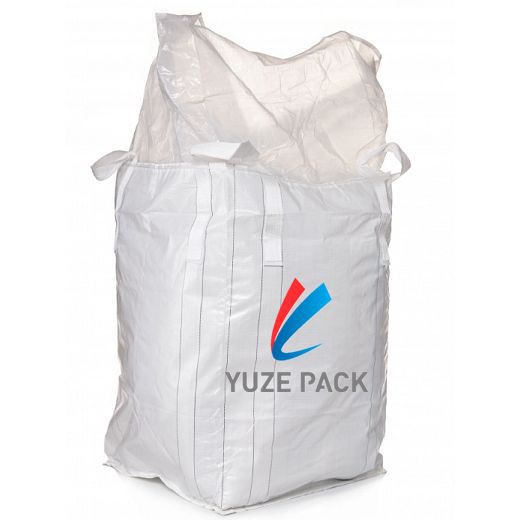
A container bag is a large bag with a rope pull or eight corner buckles. Its structure is relatively simple and is woven using warp knitting or woven technology. There are different specifications and sizes to choose from, and their shapes are mostly square, rectangular, etc.
Ordinary plastic bags are divided into various specifications and types, including paper-plastic bags, ziplock bags, roll bags, etc., which are different in appearance and structure.
4. Different specifications and sizes
The specifications and sizes of Construction Bagare relatively large, generally 1 ton, 1.5 tons or 2 tons. According to different use needs, different specifications and sizes can also be produced.
The specifications and sizes of ordinary plastic bags are relatively small, and the corresponding sizes and lengths can be customized according to different uses.
In the world of construction, waste removal is a constant necessity. Whether you’re a DIY enthusiast embarking on a home improvement project or a professional contractor working on large-scale projects, choosing the right Construction Bags for your construction waste is paramount. Selecting the proper bag not only ensures safe disposal but can also impact your site’s efficiency and environmental footprint.
Type of Construction Waste
Different construction projects produce different types of waste, ranging from large debris like bricks and tiles to finer waste like sawdust and plaster. Before choosing a Construction Bag, assess the type of waste you’ll be disposing of most frequently.
Heavy Debris: opt for bags made of a stronger material, typically labeled as “contractor bags” or “heavy-duty bags.” These bags can withstand the weight and sharp edges of materials like broken glass or splintered wood.
Fine Waste: For lighter waste, a standard Construction Bag may suffice. However, it’s always safer to err on the side of durability.
Size Matters
Construction Bags come in various sizes. For construction waste:
Large Scale Projects: Go for a bigger size, like the 55-gallon contractor bags. These can accommodate more waste and reduce the frequency of bag changes.
Smaller Tasks: Smaller bags of 20-30 gallons might be more manageable and are perfect for minor home renovations.
Construction Construction Bag Material Strength
Pay close attention to the bag’s thickness, typically measured in mils. A higher number indicates a thicker bag.
Eco-Friendly Options
The construction industry is under increasing pressure to become more sustainable. Opting for biodegradable or recycled Construction Bags can reduce your environmental impact. Though they might be slightly more expensive, they decompose faster in landfills, helping reduce long-term waste.
Closure Mechanisms
While twist-tie closures are common, consider drawstring or flap tie bags for added convenience. They are easier to seal, ensuring that the waste stays put during transport.
As we continue to build and innovate, it’s crucial to remember the importance of sustainable waste management practices. Whether you’re a contractor or a homeowner, choosing the right Construction Bag is not just a matter of convenience.
Yuze Pack Limited, established in 2015 with registered capital 19 million RMB, is a Flexible Intermediate Bulk container (or bulk bag/ big bag) manufacturer. Located at Yuncheng City in Shanxi Province next to Sanmenxia City in Henan Province across Yellow River, Yuze Pack has a convenient transportation to Tianjin Port and Qingdao Port.
Aiming to be a leading FIBC manufacturer in China, Yuze Pack sets up a comprehensive control system of quality and environment along with employee health protection. It has earned us the ISO 9001:2015, ISO 14001:2015 & OHSAS 18001:2007.
As one of the most professional circular bag manufacturers and suppliers in China, we're featured by quality products and competitive price. Please rest assured to buy or wholesale circular bag in stock here from our factory. Also, customized service is available.
 CONTACT