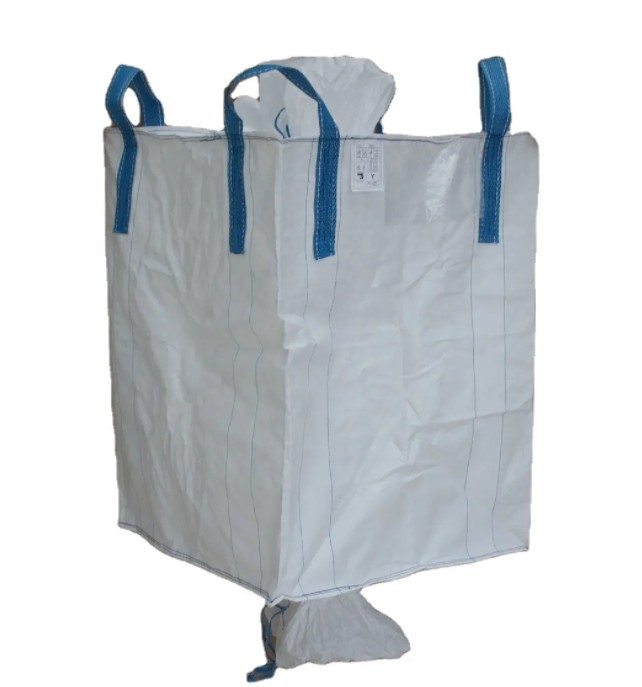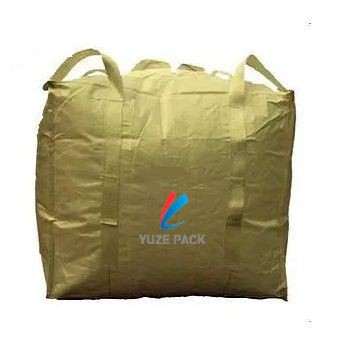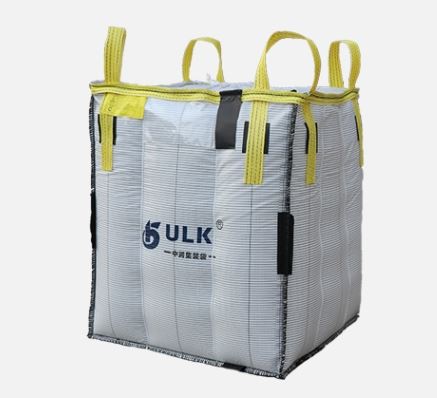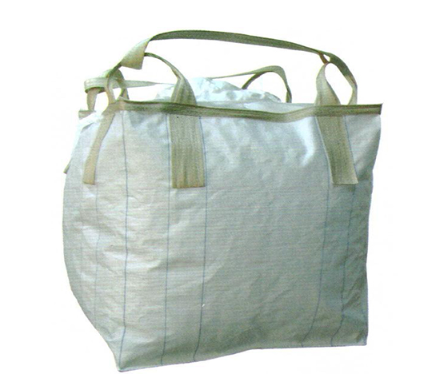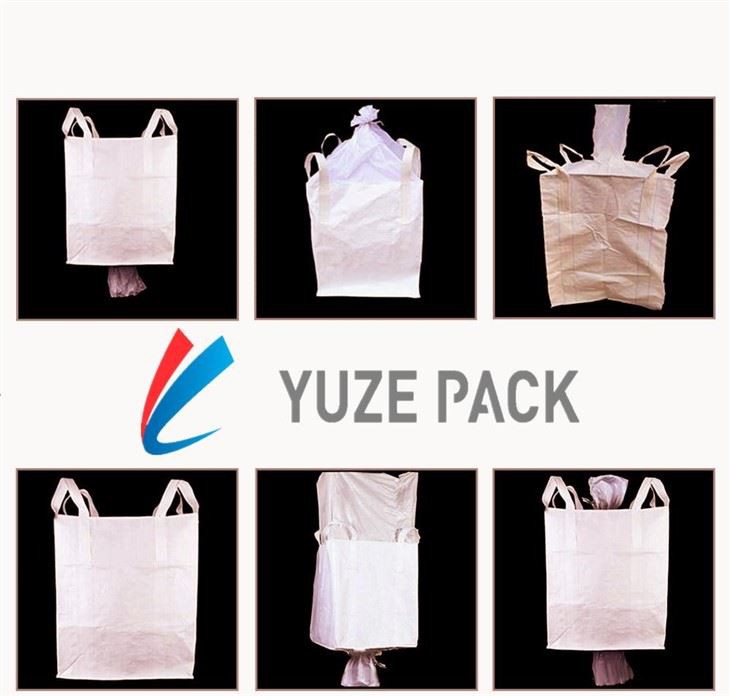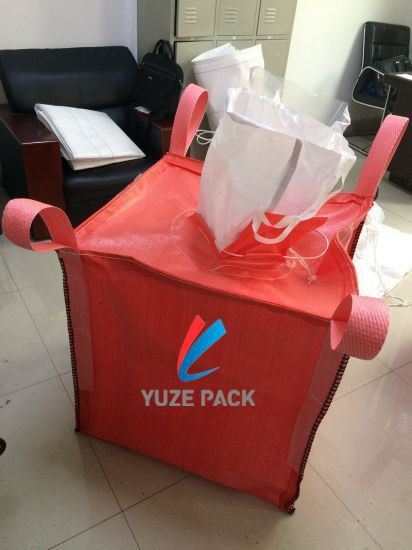
As industry continues to grow, the transportation and storage of chemicals has become a major concern. One solution to this is the use of chemical bulk bags, also known as FIBCs (Flexible Intermediate Bulk Containers) or simply as chemical bags. These bags are specifically designed to safely transport and store a variety of chemicals, including hazardous materials.
Chemical bags are made from woven polypropylene fabric that has been coated with a layer of polyethylene to make it resistant to moisture and other chemicals. They are available in a range of sizes and can hold up to 2,000 kg of material.
The use of chemical bags can provide a number of benefits over traditional methods of transportation and storage, such as drums or rigid containers. For one, they are lighter in weight, which means they reduce the overall weight of the load being transported. This can lead to more efficient use of transportation resources, as well as reduced fuel costs.
Chemical bags are also collapsible and stackable, which makes them easier to handle and store. This can save space in storage facilities and warehouses, and allow for more efficient packing of shipping containers.
Perhaps the biggest advantage of chemical bags is their safety. Unlike rigid containers, which can crack or rupture under stress, chemical bags are more flexible and able to absorb shock. They are also less likely to cause injury if dropped or mishandled.
In addition to their physical benefits, chemical bags can be customized to meet the specific needs of the product being transported or stored. For example, they can be designed to provide protection against UV radiation, or to accommodate different filling and discharge methods.
When it comes to the transportation and storage of hazardous chemicals, safety is paramount. Chemical bulk bags provide a safe, efficient, and cost-effective solution that can meet the needs of a wide range of industries. As such, they should be a serious consideration for any company looking to streamline chemical transportation and storage processes.
 CONTACT